

Anaphylaxis Training
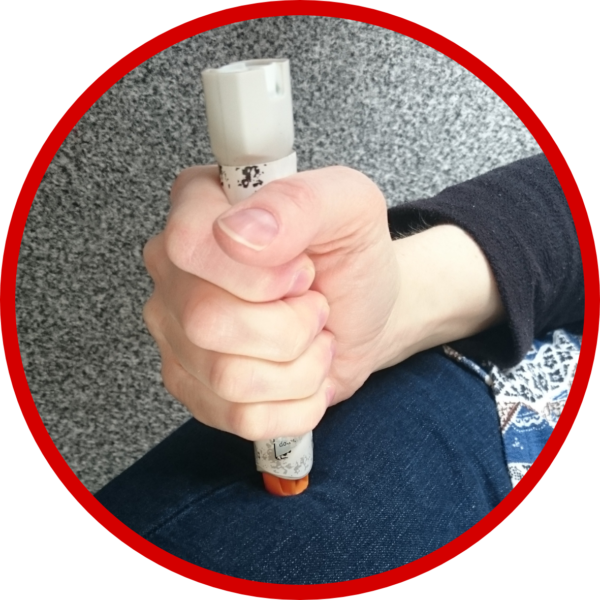
Anaphylaxis is a life-threatening allergic reaction which cannot wait to be treated by ambulance staff; for individuals who have previously suffered such a reaction, they are likely to carry an adrenaline auto-injector (AAI) e.g. EpiPen or similar. Training in recognising anaphylaxis and how to use an AAI can be a lifesaver.
Recommended for: anyone working with someone who has severe allergies including School staff; Family groups who want some in depth knowledge and support in practicing with training Adrenaline Injectors (all age groups of the family are welcome including children)
Note: This can be combined with other medical emergency topics, and is often delivered in combination with Asthma – see Medical Emergencies in Schools for more details.
This medical emergency is covered within the syllabus in our First Aid at Work, Paediatric First Aid and Outdoor Incident Management First Aid courses. Training with an AAI is covered in all three of these courses although there is not enough time within the syllabus to cover this subject in as much depth as is outlined below in the course content.
Course Content
Allergy triggers
Differences between allergies and anaphylaxis
Cross contamination issues
Recognising an Anaphylactic reaction
First aid treatment
Administration of Adrenaline Auto-injectors (using simulated training units)
Emergency planning
Individual healthcare plans – what to ensure is covered and how to use them
For schools: information about the ‘spare pens in schools’ scheme
Delivery Method
In-Person Group
Course Highlights
1 - 1.5 hours
Documentation provided for the workplace training file
Course delivered for groups - at our venue or yours
Training for family groups can be made specific to particular allergens. Whole family welcome including children
A range of training AAI's mean you can practise using the one you'll use the most (or a combination)
For schools: information provided about the ‘spare pens in schools’ scheme
This can be combined with other medical emergency topics – see Medical Emergencies in Schools
Prerequisites
More Courses
Aquatic First Aid
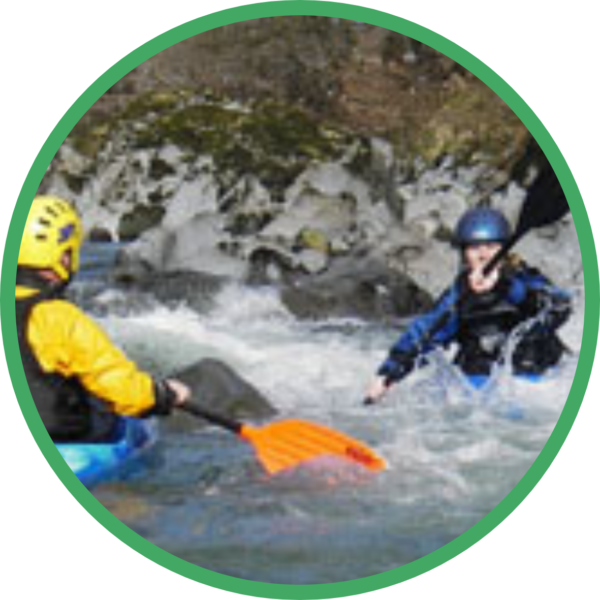
The Aquatic First Aid course meets the requirements of national governing bodies such as the BCU and RYA for their lower-level coaching qualifications. It is an 8-hour course to meet NGB requirements.
£125 (+ VAT)
View Details
First Aid for Dance
This course covers the emergency life-saving first aid topics contained in the core syllabus of the HSE Approved Emergency First Aid at Work (EFAW) course, and additional topics relevant to more common first aid situations occurring in a dance setting.
£125 (+ VAT)
View Details
Medical Emergencies Training for Schools
To support the statutory guidance regarding the support that pupils with medical conditions should receive at school. Price dependent upon requirements.
Life-Threatening Bleeding Control
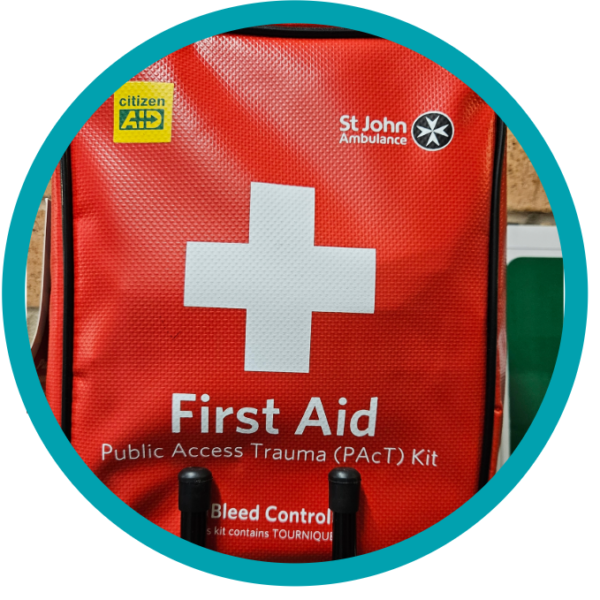
Severe bleeding can become life-threatening within minutes - formerly known as Catastrophic Haemorrhage. This practical course gives you the knowledge and confidence to act quickly and effectively in an emergency including safe use of tourniquets and haemostatic dressings. Delivered for groups.